

Your cat thinks they’re invincible, and honestly, who can blame them? They leap gracefully from the top of the fridge, land flawlessly on the floor, and give you that “I meant to do that” look. But even the most acrobatic feline needs regular cat health checkups to stay in peak form, much like how we humans need to visit the doctor despite our own questionable life choices (yes, including those late-night pizza binges). Regular veterinary visits are crucial for catching any potential issues early and ensuring your cat lives out all nine of their lives happily.
TL;DR: Regular cat health checkups are vital for early detection of health issues, especially as your cat ages. Aim for at least annual visits, increasing to twice a year for senior cats.
What is a Cat Health Checkup?
A cat health checkup is essentially your feline’s annual (or semi-annual, for the older crowd) wellness visit to the vet. Think of it as the cat equivalent of your yearly physical—but with less embarrassing paper gowns. During these checkups, the vet will examine your cat’s overall health, checking for signs of illness that you might not notice at home. Routine screenings are essential, especially as your cat ages, to catch common conditions like chronic kidney disease (CKD) early International Cat Care. These checkups are not just about ticking off a box; they are about ensuring your furry friend is in top shape, allowing them to continue their reign of mischief around the house.
What’s typically included in these checkups? Expect a thorough exam of your cat’s eyes, ears, teeth, and coat, along with palpation of their abdomen to check internal organs. The vet might also recommend blood work, urine analysis, and monitoring of blood pressure and body weight—especially for senior cats American Association of Feline Practitioners. If your cat suddenly stops acting like its usual aloof self, it’s time to pay attention. A dull coat, lack of appetite, and abnormal behaviors can be signs of illness Cornell Feline Health Center. These symptoms, subtle as they may be, are your cat’s way of waving a little red flag.
How Often Should You Schedule Vet Visits?
The golden rule? At least once a year for most cats, and twice a year for older or high-risk cats. Senior cats, in particular, benefit from more frequent health assessments to monitor for age-related diseases [American Association of Feline Practitioners]. Why the extra visits for older cats? As cats age (gracefully, of course), they're more susceptible to conditions like arthritis, diabetes, and CKD. Scheduling regular checkups can help your vet detect these problems before your cat starts showing any symptoms.
For kittens, more frequent visits are recommended to ensure they receive their vaccinations and are developing correctly. It’s similar to how we take babies for regular pediatric visits, except there’s slightly less crying involved—usually. This proactive approach ensures that any developmental or health issues are caught early, allowing for timely intervention and care.
Practical Tips for a Successful Vet Visit
Let's be honest, taking your cat to the vet can feel like negotiating a peace treaty between world leaders. Here are some tips to help ensure things go as smoothly as possible:
- Choose the Right Carrier: Invest in a sturdy, comfortable carrier. If your cat thinks it’s a mobile prison, they won’t be going in willingly.
- Acclimate Your Cat: Leave the carrier out at home, open and inviting. Place treats and toys inside occasionally so your cat associates it with positive experiences.
- Schedule Wisely: Choose a time of day when your cat is usually calm—right after a nap, perhaps. Timing is everything when it comes to minimizing stress.
- Stay Calm: Your cat can sense your stress. Keep your demeanor relaxed, and speak softly to your cat. A calm owner can often mean a calmer cat.
- Bring Familiar Comforts: A favorite toy or blanket can make the experience less intimidating for your furry friend. These familiar items can provide a sense of security in an otherwise unfamiliar environment.
Common Mistakes to Avoid
Even the best intentions can go awry. Here are some common pitfalls to avoid:
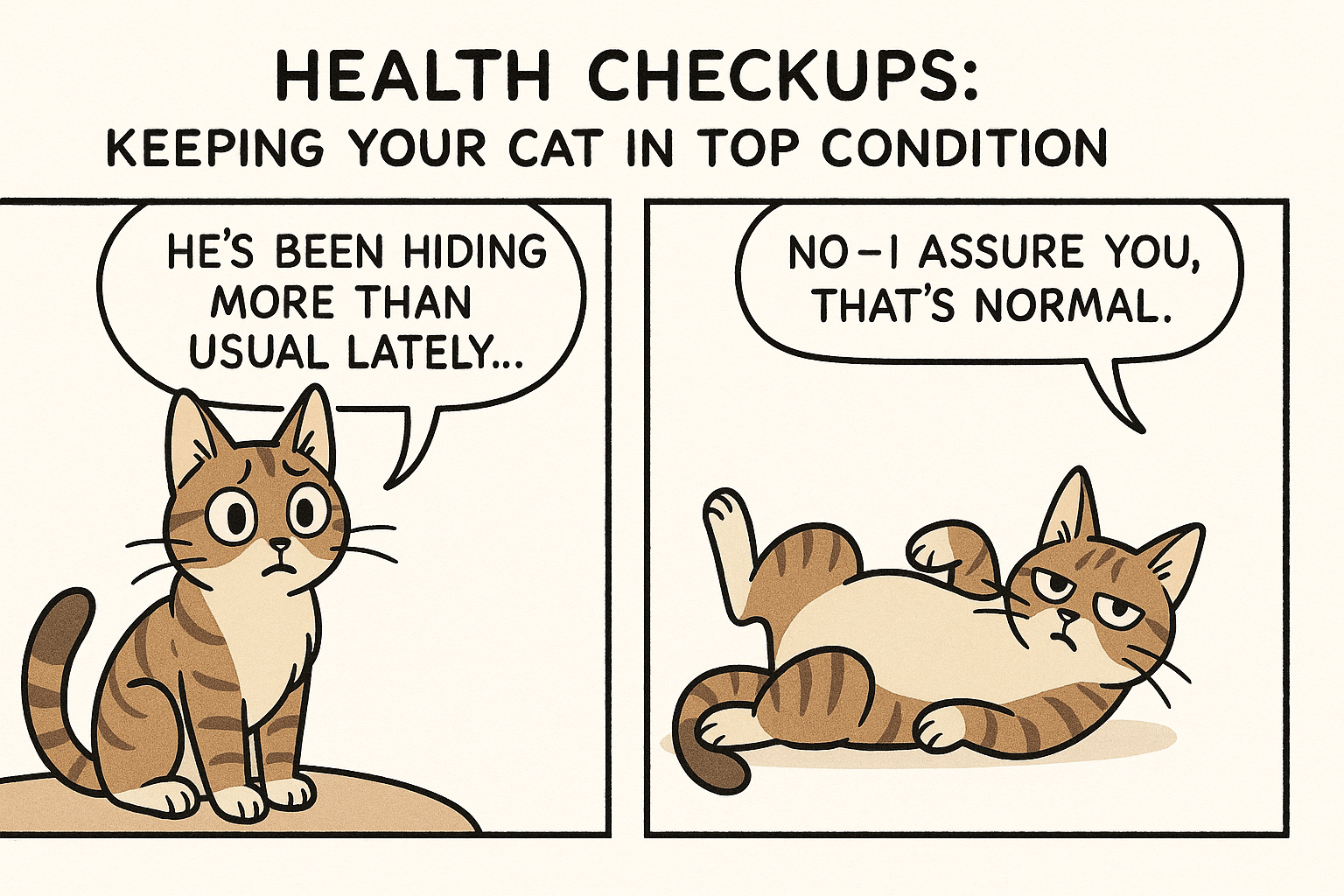
- Ignoring Changes in Behavior: Don’t brush off changes in your cat’s behavior as mere quirks. If your cat suddenly starts ignoring its food or hiding more than usual, it’s time for a vet visit. Cats are creatures of habit, and any deviation from their normal routine can be a sign that something is amiss.
- Delaying Vet Visits: Cats are masters at hiding pain. Just because your cat seems fine doesn’t mean it is. Regular checkups are crucial for catching hidden issues. The sooner a problem is identified, the better the chances of managing it effectively.
- Skipping Senior Checkups: Older cats need more frequent monitoring. Don’t skip those extra visits just because your senior cat seems sprightly. Their outward appearance of health might mask underlying issues that only a vet can detect.
Remember, your cat has read none of this—so it’s up to you to ensure they get the care they need. Regular checkups will contribute significantly to your cat’s long, healthy life, even if they still knock your favorite mug off the table. For more on understanding your cat's behavior, check out our guide for owners.
FAQ
How often should my cat have a health checkup?
Most cats should visit the vet at least once a year, but older cats or those with health issues should go twice a year.
What should be included in a cat's health check?
A thorough exam will include checking your cat’s eyes, ears, teeth, coat, and internal organs. Blood work and urine tests may also be conducted, especially for senior cats.
What are signs of a healthy cat?
A healthy cat will have clear, bright eyes, clean nostrils, and a glossy coat. They should have a good appetite and maintain their regular behavior patterns.
Why are health checkups more frequent for senior cats?
Senior cats are more prone to age-related diseases such as CKD, diabetes, and arthritis. More frequent checkups allow for early detection and management.
Can I prepare my cat for a vet visit?
Yes! Use carriers that your cat is familiar with, schedule appointments during calm times, and bring familiar items like toys or blankets to comfort them.
By keeping up with routine health checkups, you’re not just ensuring your cat’s well-being—you’re also safeguarding your home’s collection of unbroken ceramics. Everyone wins! For more on how to keep your feline friend healthy and happy, visit our comprehensive cat care essentials guide.

