

Understanding how to properly nourish a kitten is critical for its development and long-term health. A comprehensive kitten nutrition guide outlines the essential components of their diet, focusing on the unique needs of these rapidly growing animals. Research indicates that kittens require about two to three times the energy of adult cats, with significant protein needs that should make up approximately 30% of their total caloric intake. These requirements are best met with specially formulated kitten foods until they reach maturity at about one year of age. Proper nutrition during this stage supports their rapid growth, immune function, and overall vitality.
TL;DR: Kittens need energy-dense, protein-rich diets specifically formulated for their growth needs. Use commercial kitten foods meeting AAFCO standards until they are one year old.
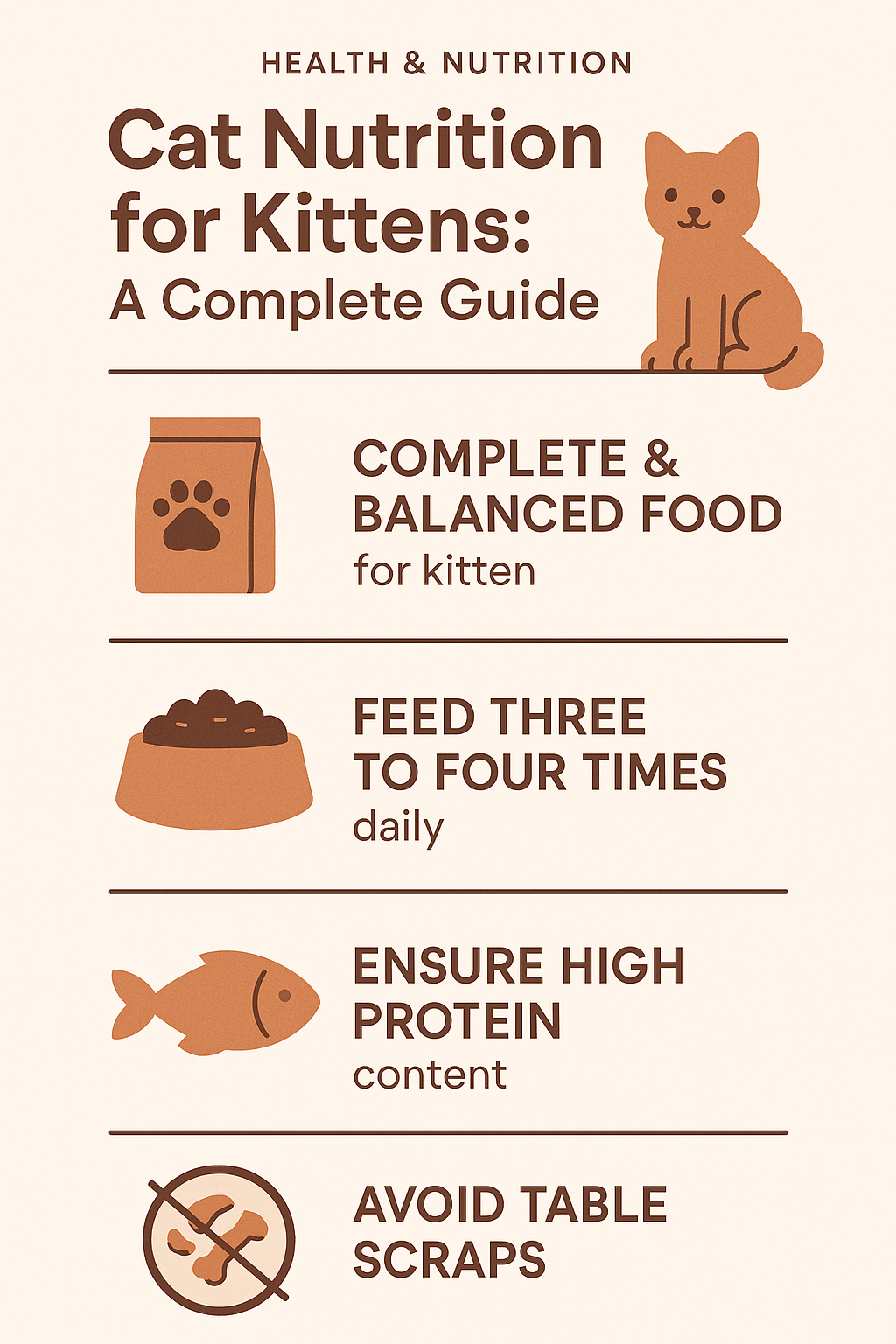
What is Essential Nutritional Support for Kittens?
Kittens are obligate carnivores, meaning their diet must consist of nutrients found in animal products to thrive. These include vital amino acids such as taurine and arginine, which are crucial for their health. Absence of these nutrients can lead to severe health problems, including vision and heart issues. It is during their formative months that kittens develop the metabolic and physiological foundations necessary for a healthy life, making proper nutrition non-negotiable.
Another critical component of the kitten diet is fat, which not only provides concentrated energy but also aids in the absorption of fat-soluble vitamins. According to Cornell University College of Veterinary Medicine, commercial cat foods must meet the nutritional standards set by the Association of American Feed Control Officials (AAFCO) to ensure they are complete and balanced for the life stage they are intended for. This ensures that all essential nutrients are provided in the correct proportions, supporting optimal growth and development.
Transitioning to Solid Foods
Kittens typically start transitioning to solid food around five to six weeks of age. By the time they are eight weeks old, about 80 to 90% of their nutrient intake should come from high-quality commercial kitten food. Initially, you can introduce wet food to make the transition easier since it can be more palatable and easier to digest than dry kibble. Gradually, a mixture of wet and dry food can be used to ensure that kittens are receiving the varied textures and nutrients they require.
The timing of this transition is crucial. Delaying the introduction of solid food can hinder a kitten's growth, while too early a transition may not provide the necessary nutrients they get from their mother's milk, particularly in the form of colostrum. Colostrum is the first milk produced by mother cats and contains antibodies that provide newborns with essential immunity against diseases until their immune systems develop Cats Protection.
Moreover, consistent feeding schedules during this transition period can help kittens adjust more readily to solid food. Offering small, frequent meals mimics their natural feeding patterns and supports their high metabolic rate. This practice not only aids digestion but also helps monitor their intake and prevent overeating, which can lead to obesity.
Practical Steps for Feeding Kittens
-
Choose Kitten-Formulated Products: These products are tailored to meet the high energy and protein needs of kittens. Read labels to ensure they meet AAFCO standards.
-
Monitor Portion Sizes: Overfeeding can lead to obesity, while underfeeding can hinder development. Use the feeding guidelines on commercial food packaging as a baseline, adjusting according to your kitten's growth and activity levels.
-
Maintain a Consistent Feeding Schedule: Kittens typically eat small meals throughout the day. Ensure fresh food is available at least three to four times daily. This frequent feeding supports their high metabolic rate.
-
Observe Hydration: While wet food provides some hydration, always ensure fresh water is available. Dehydration is a risk, especially if your kitten mainly consumes dry kibble.
-
Regular Veterinary Check-Ups: These visits are essential to monitor growth, development, and adjust dietary requirements as needed. Your veterinarian can offer personalized advice tailored to your kitten’s specific needs.
In addition to these steps, it is also beneficial to gradually introduce a variety of flavors and textures to prevent picky eating habits later. This can be achieved by rotating between different brands and types of kitten food, always ensuring they meet the necessary nutritional standards.
Common Mistakes in Kitten Nutrition
One frequent mistake is feeding kittens an adult cat diet. Adult cat foods do not provide the necessary nutrients in the proportions required for kittens and can lead to nutrient deficiencies or imbalances. Another error is not transitioning to solid foods at the correct age. This mistake can prolong the dependency on milk, which does not meet the nutritional needs of growing kittens beyond the first few weeks.
Additionally, avoid feeding kittens milk intended for human consumption. Many cats are lactose intolerant, and cow's milk can lead to gastrointestinal upset and diarrhea. Instead, utilize specially formulated kitten milk replacers if supplementation is necessary.
A less obvious mistake is failing to adjust the diet as the kitten grows. As kittens develop, their nutritional needs change, and their diets should be adjusted accordingly. Regular weight checks and consultations with a veterinarian can help ensure that dietary adjustments are made in a timely manner.
For more comprehensive insights on feeding your feline friend at different life stages, you might find our article on Feeding Your Cat: Nutrition Guidelines & Tips useful.
FAQ
What should I feed my kitten?
Feed your kitten a diet of high-quality commercial foods formulated specifically for kittens. These foods meet the complete nutritional needs necessary for their growth.
How can I ensure proper nutrition for my kitten?
Ensure your kitten's diet is rich in protein and energy-dense, following guidelines from reputable brands that meet AAFCO standards. Regular veterinary check-ups will also help monitor and adjust dietary needs.
When should I start feeding my kitten solid food?
Start introducing solid foods around five to six weeks of age, gradually increasing the proportion until solid food makes up 80-90% of their diet by eight weeks.
Why is taurine important in a kitten's diet?
Taurine is an essential amino acid that supports heart health and vision. Cats cannot synthesize enough taurine naturally, so it must be included in their diet through animal proteins.
Can kittens drink cow's milk?
No, kittens should not drink cow's milk as it can cause digestive issues due to lactose intolerance. Use specially formulated kitten milk if needed.
For more tips on ensuring your kitten's well-being, consider reading our guide on Litter Box Training: Essential Tips for Success.

