

Most cat owners understand the significance of providing their feline companions with a balanced diet, but cat hydration is often overlooked. Cats require about 4 ounces of water per five pounds of lean body weight daily. For example, a 10-pound cat should drink approximately one cup of water per day. This intake is crucial not only for maintaining general health but also for preventing specific health issues such as urinary stones and urinary tract infections. Given that cats have a naturally low thirst drive due to their evolutionary history as desert dwellers, ensuring adequate hydration can sometimes be challenging.
TL;DR: Cats need about 4 ounces of water per five pounds of body weight each day. Ensure they drink enough to prevent dehydration and related health issues.
How much water should a cat drink daily?
The daily water requirement for cats is generally calculated based on their body weight, with the standard being 4 ounces per five pounds. This means that a typical 10-pound cat should consume about one cup of water every day. While this seems straightforward, it’s important to consider that cats derive moisture from their food as well. Wet food, for instance, can contain up to 80% water, thereby reducing the need for additional water intake through drinking alone. However, cats on a dry food diet will need to drink more water to offset the low moisture content in their food.
Despite these guidelines, many cats may not drink as much water as recommended due to their low thirst drive. This natural tendency requires vigilance from pet owners to ensure their cats are adequately hydrated. Cornell Feline Health Center provides additional insights on understanding these needs. The challenge is compounded by the fact that cats often do not show obvious signs of thirst, making it crucial for owners to be proactive in offering water. In some cases, cats may even refuse to drink from a bowl if it is placed too close to their food or litter box, as they prefer a separation between these activities.
What are the signs of dehydration in cats?
Dehydration in cats can lead to serious health complications, including kidney issues and urinary tract diseases. Recognizing the signs of dehydration is crucial. Common symptoms include lethargy, weakness, poor appetite, dry mucous membranes, and sunken eyes. If a cat exhibits these signs, it is essential to increase their water intake immediately and consult a veterinarian if the symptoms persist.
A practical test to check for dehydration is the skin tent test. Gently pull up the skin over the cat's shoulder blades and observe how quickly it snaps back. If the skin takes time to return to its normal position, this might indicate dehydration. Regular monitoring for such signs can prevent long-term health issues, emphasizing the importance of proactive cat care. Cornell Feline Health Center details these signs for deeper understanding.
Cats may also display behavioral changes when dehydrated, such as increased irritability or reduced interest in grooming. These subtle cues are often the first indicators that something is amiss. In severe cases, dehydration can lead to shock or organ failure, underscoring the need for immediate veterinary attention if symptoms are severe. It's also worth noting that certain breeds, such as the Persian or Maine Coon, might be more prone to dehydration due to their thick coats, which can lead to overheating.
Practical tips for ensuring cat hydration
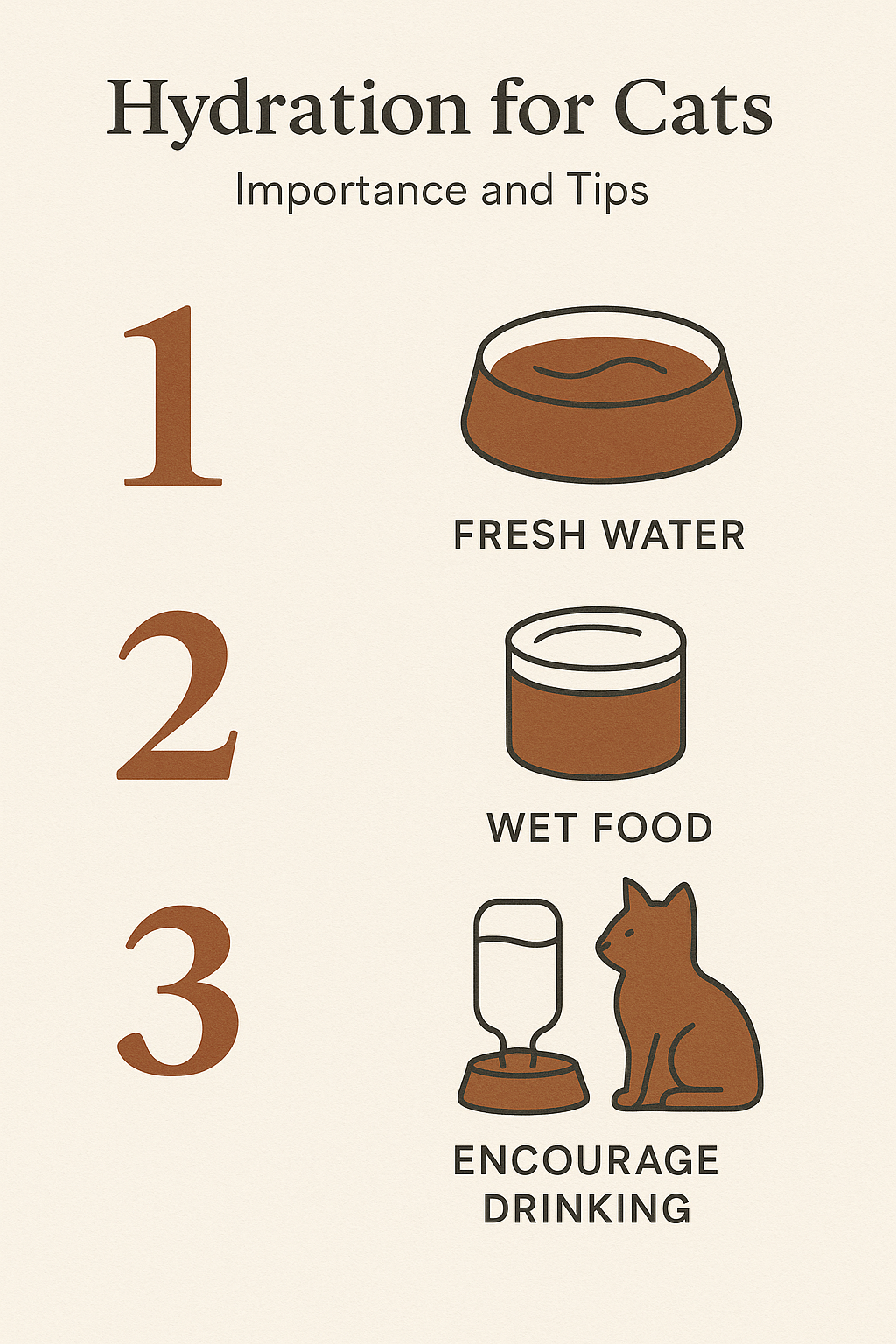
Ensuring your cat drinks enough water involves several strategies. Firstly, offering fresh water daily is essential. Cats are sensitive to taste and temperature, so changing the water regularly encourages drinking. Secondly, providing multiple water sources around the home can make access easier and more appealing. Pet water fountains, which circulate water, can also entice cats due to their preference for running water.
Another effective approach is integrating wet food into their diet. Since wet food has a high moisture content, it can significantly contribute to a cat's daily water needs. For cats that exclusively consume dry food, consider adding water or low-sodium chicken broth to their meals to keep them hydrated. A study by International Cat Care suggests that increased water intake can prevent urinary stones, particularly in cats on dry diets.
Comparison of Water Sources for Cats
| Water Source | Pros | Cons |
|---|---|---|
| Fresh Water Bowls | Easy access, low cost | Needs frequent changing |
| Pet Water Fountains | Encourages drinking, less stagnant | Higher initial cost, maintenance |
| Wet Food | High moisture content | More expensive, dietary changes |
| Flavored Water | Encourages picky drinkers | May add unwanted calories |
Encouraging better drinking habits
Understanding a cat's drinking habits can be instrumental in encouraging better hydration. Cats may be hesitant to drink from bowls placed in high-traffic areas or near their litter boxes, as they prefer quiet and clean locations. Experiment with different bowl shapes and materials to find what your cat prefers, and always ensure bowls are thoroughly cleaned to avoid odors that might deter them.
Some cats are enticed by novelty. Introducing a new water source, such as a water fountain, can stimulate their interest in drinking. Additionally, flavored water, using tuna juice or chicken broth, can encourage reluctant drinkers to increase their intake. Monitoring your cat's drinking behavior and adjusting your strategies based on their preferences can make a significant difference in their overall hydration.
For further insights into feline nutrition, consider reading our guide on Feeding Your Cat: Nutrition Guidelines & Tips, which includes additional strategies for maintaining a healthy diet. Additionally, our Cat Nutrition for Kittens: A Complete Guide provides information specific to the dietary needs of younger cats, which can also impact hydration strategies.
FAQ
How much water should a cat drink daily?
Most cats require about 4 ounces of water per five pounds of body weight each day, which means a 10-pound cat should drink approximately one cup of water daily.
What are the signs of dehydration in cats?
Signs of dehydration include lethargy, dry mucous membranes, poor appetite, and sunken eyes. If these symptoms are present, it's crucial to increase water intake and consult a veterinarian.
How can I encourage my cat to drink more water?
Ensure fresh water is available daily, use water fountains, and add wet food to their diet. You can also add water or broth to their meals or try offering flavored water.
Does wet food affect a cat's water intake needs?
Yes, wet food can contain up to 80% water, reducing the need for additional water consumption through drinking.
Why do cats have a low thirst drive?
Cats evolved as desert dwellers with a low thirst drive, relying on their prey for moisture. This evolutionary trait persists, making it essential to monitor their hydration closely.

