

Your cat just nonchalantly strolled across the living room, leaving behind a trail of mismatched socks, a toppled plant, and a curious smell that can only be described as "vintage litter box." While these feline quirks can be charming, there’s one area where unpredictability isn’t welcome: your cat’s health. This is where cat vaccinations come in, acting as tiny but mighty protectors against looming health threats. Vaccinations are essential not only for your cat's health but also for your peace of mind. Imagine the relief of knowing your furry friend is safeguarded against potentially life-threatening diseases.
TL;DR: Vaccinations are essential for protecting your cat from serious diseases, starting when they’re kittens and continuing throughout their life.
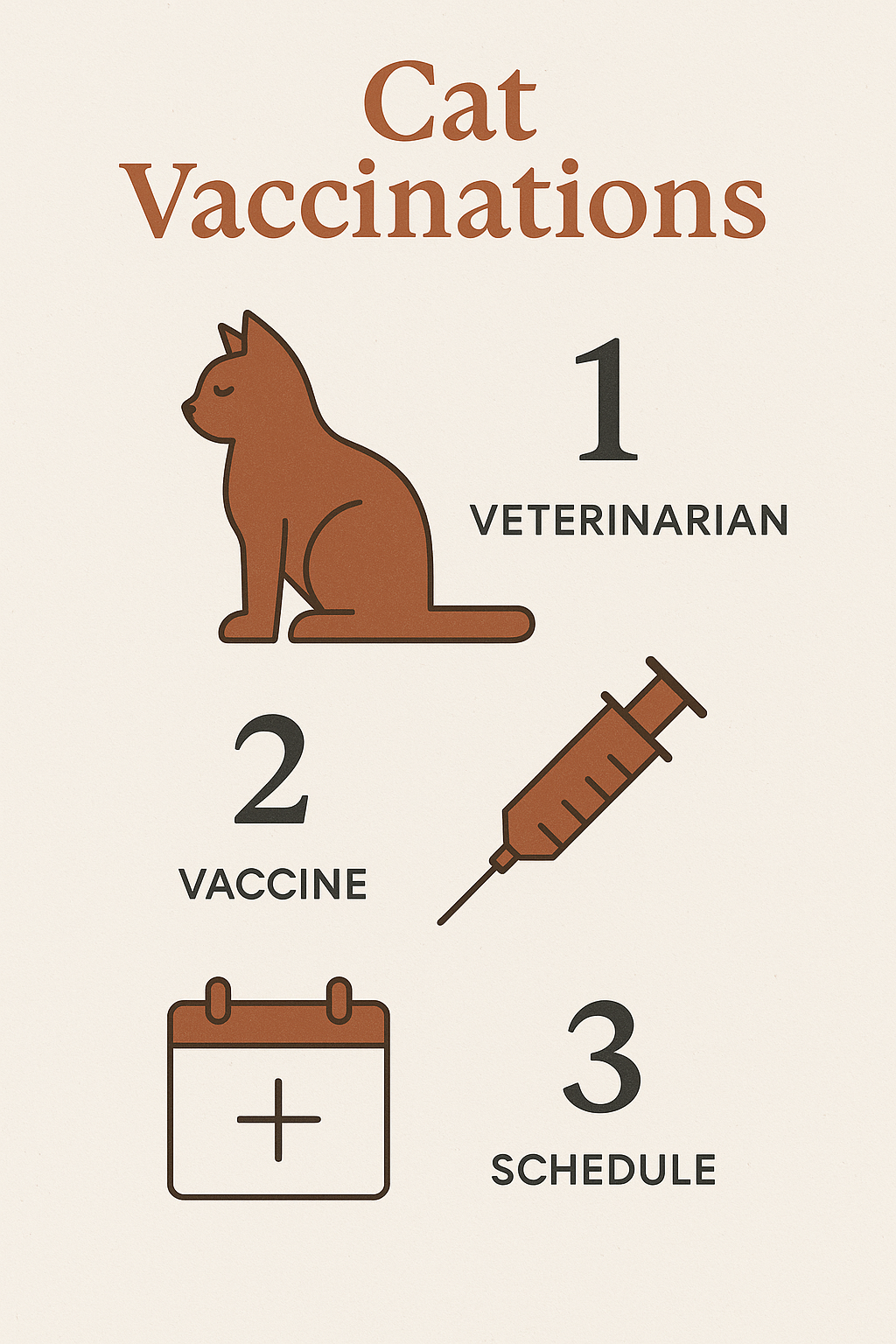
What Vaccinations Do Cats Need?
In the fascinating world of feline medicine, vaccines are divided into two categories: core and non-core. Core vaccines are non-negotiable and include protection against feline panleukopenia, feline calicivirus, feline herpesvirus type I, and rabies. These are the heavy hitters, safeguarding your cat against diseases that can lead to severe illness or even death (ASPCA). For instance, feline panleukopenia, often referred to as feline distemper, is a highly contagious viral disease that can be fatal, especially in kittens.
Non-core vaccines, meanwhile, are more like optional toppings on your health pizza. They cater to specific needs based on your cat's lifestyle. Is your cat the social butterfly of the neighborhood, mingling with every cat in the vicinity? Then, vaccines for feline leukemia virus (FeLV) and Bordetella might be necessary (Cats Protection). FeLV is highly contagious and can be spread through saliva and nasal secretions, making it a must for social kitties (Texas A&M University). Imagine your cat sharing a water bowl at the local kitty hangout spot—it's like a cocktail party for germs.
How Often Do Cats Need Vaccines?
Kittens should begin their vaccine series around 6-8 weeks of age, with booster shots continuing until they are 16-20 weeks old. This ensures they’re armed against infections as they grow into their rambunctious selves (Texas A&M University). During this period, think of your kitten as a superhero in training, receiving their armor piece by piece. After this initial series, adult cats typically need boosters every 1-3 years, depending on the vaccine and your vet’s advice. For instance, rabies vaccinations might be required annually or every three years based on local regulations. These boosters are crucial because they help maintain the immunity that was initially built during kittenhood.
Remember, no vaccine is a magical force field. While they stimulate an immune response and offer protection, no vaccine is 100% effective (Cornell Feline Health Center). It's like wearing a raincoat in a storm—helpful, but not foolproof if you decide to dance in the puddles. This is why regular vet check-ups are essential to ensure your cat remains in tip-top shape.
Practical Vaccination Schedule for Your Cat
To keep things simple (because who needs more complexity in life?), here’s a streamlined vaccination schedule:
- Kittens (6-8 weeks): Start the core vaccine series.
- Kittens (10-12 weeks): Second round of core vaccines.
- Kittens (14-16 weeks): Final round of core vaccines, rabies included.
- Adults (annually or as advised): Booster shots for rabies and other core vaccines. Consult your vet about non-core vaccines based on your cat's lifestyle.
Picture your cat's vaccination schedule as a carefully curated playlist, where each track (or shot) builds towards a harmonious health symphony. Missing a beat? No worries—your vet can help you get back on track. In fact, many veterinary clinics offer reminder services to help you keep up with your pet's vaccination schedule, ensuring that no shot is missed.
Common Mistakes and Misconceptions
You might think, "My cat never leaves the house, so they don’t need vaccines, right?" Wrong. Even indoor cats need core vaccines because viruses can sneak in through open windows, on your shoes, or via a rogue housefly with a side hustle. Imagine your cat watching from the window as you bring in the mail—little do they know, the outside world is hitching a ride on your sneakers. According to the ASPCA, even the most pampered indoor cats can be exposed to diseases.
Another common mistake is assuming all vaccines last forever. Cats are not smartphones—there are no automatic updates. Regular vet visits for boosters are necessary to maintain immunity. Skipping a booster is like forgetting to charge your phone before a long trip. Without these boosters, your cat's immunity to certain diseases can wane, leaving them vulnerable.
And no, your cat will not hold a grudge for the vet visit. They might, however, demand extra treats as compensation (consider it a tax for good health). After all, a few extra chin scratches and a bonus treat can go a long way in mending the temporary rift caused by a vet visit. Plus, a healthy cat is a happy cat, and those extra treats are a small price to pay for your cat's well-being.
FAQ
What vaccinations do cats need?
Core vaccines are essential: feline panleukopenia, calicivirus, herpesvirus type I, and rabies. Non-core vaccines depend on lifestyle.
How often do cats need vaccines?
Kittens start at 6-8 weeks, with boosters until 16-20 weeks. Adults need boosters every 1-3 years.
Are vaccines safe for my cat?
Yes, vaccines are generally safe, though some cats may experience mild side effects like soreness or lethargy.
Can indoor cats skip vaccinations?
No, even indoor cats need core vaccines due to potential exposure through various means.
What if I miss a vaccination?
Consult your vet. They can advise on the best catch-up schedule for your cat.
For more on keeping your feline friend in top condition, check out our Health Checkups: Keeping Your Cat in Top Condition and Feeding Your Cat: Nutrition Guidelines & Tips articles. Your cat may not thank you directly, but a happy, healthy purr is worth a thousand words.

