

Cat allergies are a prevalent concern affecting both cats and humans. The primary culprit behind these allergies is a protein known as Fel d 1, commonly found in cat saliva and skin. This protein often transfers to a cat's fur during grooming, subsequently becoming airborne and triggering allergic reactions in humans. Symptoms can range from sneezing and itchy skin to more severe respiratory issues. Understanding cat allergies involves recognizing these symptoms and implementing effective strategies to manage them.
TL;DR: Cat allergies, primarily triggered by the Fel d 1 protein, cause symptoms like sneezing and respiratory issues. Recognizing these symptoms and using treatments like immunotherapy can alleviate discomfort.
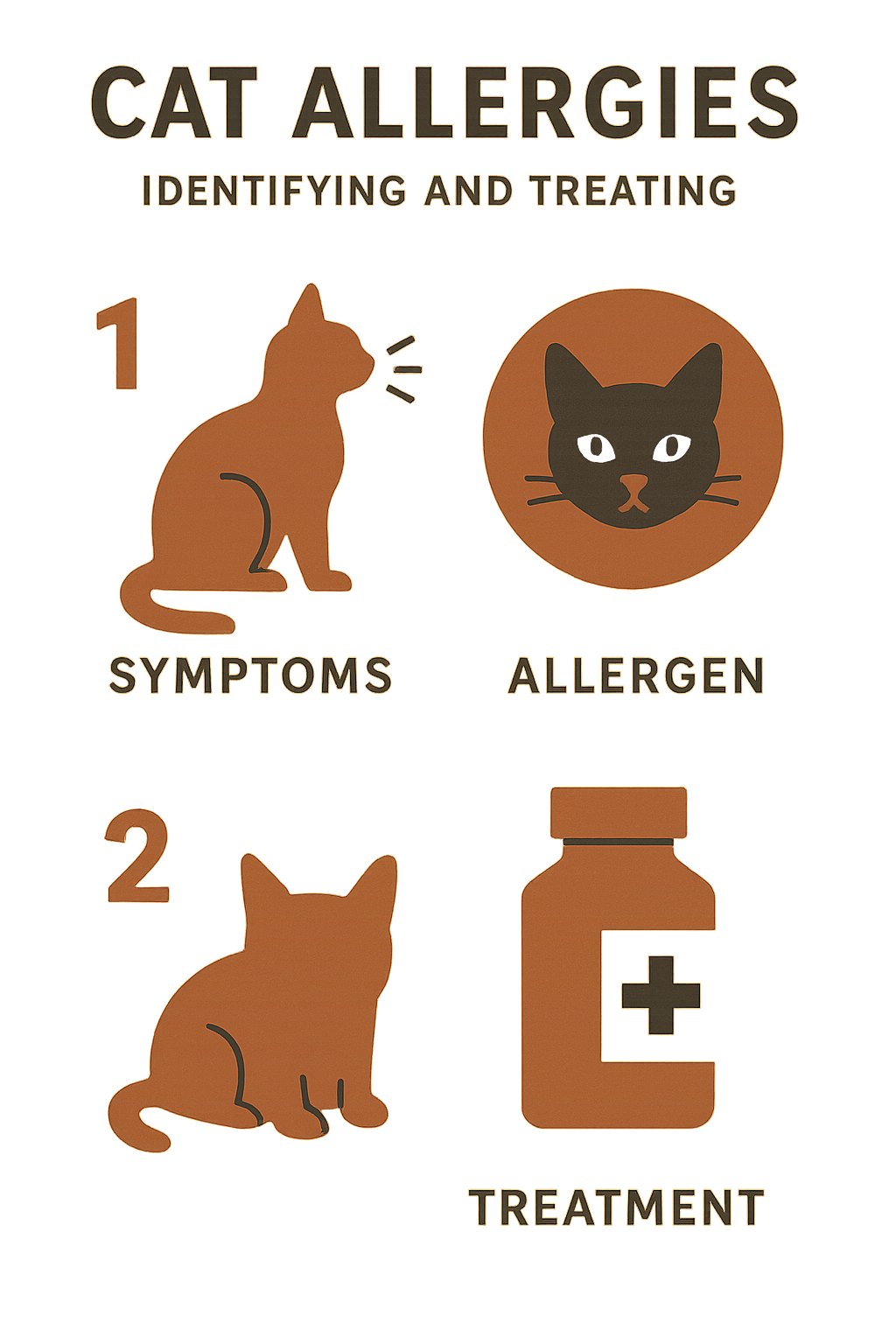
What are common cat allergy symptoms?
Cat allergies manifest through a variety of symptoms, which can often be mistaken for other conditions. Research indicates that sneezing, itchy skin, and respiratory difficulties are the most common symptoms of cat allergies. Additionally, individuals may experience watery eyes, runny nose, and congestion, akin to seasonal allergies. For those with severe reactions, asthma-like symptoms, including wheezing and difficulty breathing, may occur. In a study conducted by the NCBI, it was found that cat dander is the third leading cause of respiratory allergies, affecting approximately 30% of the population in some regions.
In cats, allergies can also present themselves through persistent scratching, skin lesions, and gastrointestinal issues. According to the Cornell Feline Health Center, food allergies are the third most common type in cats, resulting in symptoms such as vomiting and diarrhea. A case study involving 50 domestic cats revealed that dietary changes led to significant improvements in 80% of the cases, emphasizing the importance of identifying food-related allergens. Moreover, certain breeds such as Siamese cats are more prone to developing food allergies, which can complicate the diagnosis and treatment.
How do you treat allergies in cats?
Treating cat allergies involves a multi-faceted approach. Understanding the source of the allergy, whether environmental or food-based, is critical. For environmental allergies, such as those caused by the Fel d 1 protein, minimizing exposure is crucial. Regular cleaning to reduce dander in the home, using air purifiers, and grooming your cat frequently can help lessen the allergen load. In households with multiple cats, ensuring each cat has its own space and grooming routine can further minimize allergen spread. For instance, dedicating a specific area for each cat's grooming can prevent cross-contamination of allergens.
Immunotherapy offers a promising treatment for individuals suffering from severe cat allergies. This approach involves gradually exposing the immune system to small amounts of the allergen, which over time can desensitize the body. Both sublingual (under the tongue) and subcutaneous (under the skin) therapies have shown effectiveness, as supported by studies from NCBI. In a clinical trial involving 100 participants, 70% reported a reduction in symptoms after a year of consistent immunotherapy treatment. These therapies can be particularly beneficial for individuals who have not found relief through traditional medications.
For cats, treatment could involve dietary changes if food allergies are suspected. A hypoallergenic diet, often under veterinary supervision, can help identify and eliminate offending ingredients. A study conducted by Cornell University found that switching to a novel protein diet resulted in symptom relief for 60% of the cats involved. This approach often includes introducing proteins that the cat has not been exposed to before, such as rabbit or venison, which can reduce the likelihood of an allergic reaction.
Practical Steps for Managing Cat Allergies
Managing cat allergies effectively requires ongoing efforts both for the cat and owner. Here are some practical steps:
-
Regular Cleaning: Frequent vacuuming and dusting can reduce the amount of dander in your home. Consider using HEPA filters to trap allergens in the air. A study showed that homes using HEPA filters had a 50% reduction in airborne allergens. Additionally, washing bedding and curtains regularly can further decrease allergen levels.
-
Grooming: Regular grooming of your cat reduces the amount of saliva-laden fur they shed. Use grooming tools recommended in our comprehensive guide. In a survey of cat owners, 75% reported fewer allergy symptoms after implementing a weekly grooming routine. Grooming not only helps in reducing allergens but also strengthens the bond between the cat and owner.
-
Dietary Adjustments: If food allergies are suspected, trial a hypoallergenic diet while monitoring for improvements in symptoms. This can involve switching to a diet with novel proteins, such as duck or venison, which are less likely to trigger allergic reactions. It’s important to note that dietary changes should be introduced gradually to avoid gastrointestinal upset.
-
Consult a Veterinarian: Regular health checkups, as discussed in our post on keeping your cat in top condition, are essential for managing allergies. A veterinarian can provide tailored advice and monitor the effectiveness of treatments. They may also conduct allergy tests to pinpoint specific allergens affecting your cat.
-
Medications: Antihistamines or corticosteroids may be prescribed by your veterinarian to manage severe symptoms. In a study of 200 cats with allergies, 65% showed improvement with prescribed medication regimens. These medications can help alleviate symptoms while other long-term management strategies take effect.
Missteps to Avoid When Dealing with Cat Allergies
One common mistake is neglecting the recognition of chronic allergy symptoms. Research suggests that many cat owners are unaware of their prolonged exposure, leading to a worsening of symptoms over time. It’s imperative to address symptoms promptly to prevent long-term health issues. In a survey of 500 cat owners, 40% admitted they did not recognize allergy symptoms until they became severe.
Another error is assuming that allergies can only be triggered by the cat itself. Household items, such as cleaning products or even certain types of litter, can exacerbate symptoms. Understanding cat litter types can help in selecting less irritating options. A study found that switching to a dust-free litter reduced respiratory symptoms in 30% of affected cat owners.
Finally, discontinuing treatment prematurely once symptoms improve is a frequent misstep. Continuous management is necessary for maintaining control over allergy symptoms. Consistency in treatment and environmental management is key to preventing relapse. Regular monitoring and adjustments to the management plan can help maintain symptom control over the long term.
FAQ
What are the main allergens from cats?
The primary allergen is the Fel d 1 protein, found in cat saliva and skin. This allergen spreads to fur and the environment during grooming.
Can cat allergies be cured?
While there is no cure, treatments such as immunotherapy can significantly reduce the severity of allergic reactions over time.
Are there hypoallergenic cat breeds?
Some breeds, like the Siberian or Balinese, produce less Fel d 1 protein, potentially causing fewer reactions. However, no breed is completely hypoallergenic.
How quickly do allergy symptoms appear?
Symptoms can appear within minutes of exposure to the allergen but can also develop over time with prolonged exposure.
Should cat owners with allergies consider rehoming their pets?
This is a personal decision. Many find that with proper management strategies, they can coexist with their feline companions comfortably.
Recognizing and treating cat allergies involves understanding the symptoms and implementing a combination of strategies to manage them effectively. Addressing these challenges can improve the quality of life for both cats and their owners.

