

Your cat just made direct eye contact with you, slowly pushed your full glass of water off the counter, and walked away. Was it an accident? Absolutely not. Was it personal? Debatable — but the science is actually fascinating. Now, let’s talk about something equally enthralling: cat litter types. Because choosing the right litter is not just about keeping your house clean; it’s about understanding your cat’s preferences (and avoiding those little revenge puddles outside the box).
TL;DR: Cats generally prefer clumping clay litter due to its texture and ease of cleaning, but unscented options are usually best. Consider your cat's preferences and your home environment when choosing.
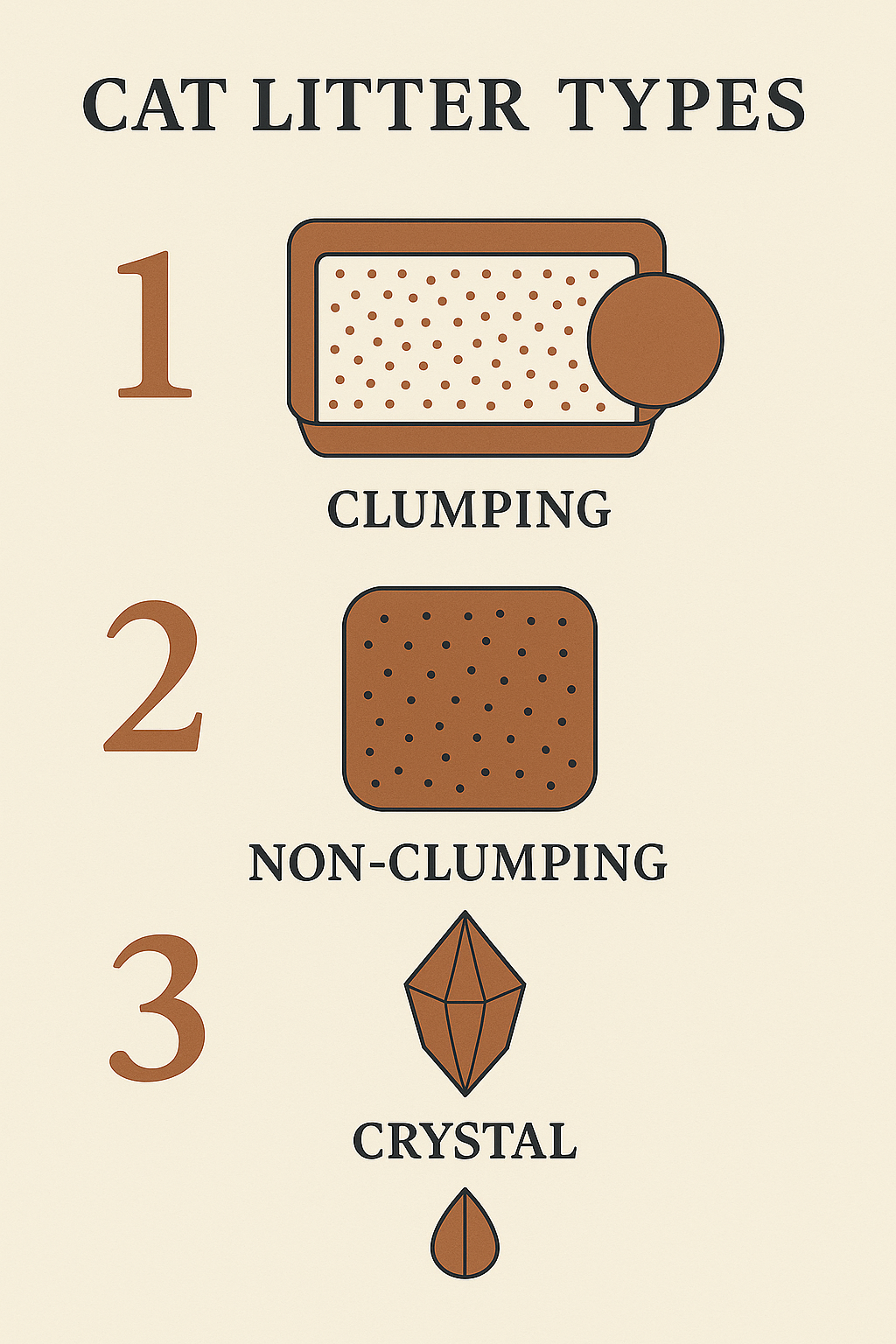
What are the Different Types of Cat Litter?
If you've ever found yourself in the pet store aisle, staring at an overwhelming array of cat litter options, you're not alone. There are several types of cat litter, each with its own pros and cons. Here's a quick rundown:
-
Clumping Clay Litter: This is the most popular choice among cats and humans alike. Studies show 70% of cats prefer clumping clay litter (PMC Study). It forms solid clumps when wet, making it easy to scoop and keep the box clean. This type of litter is particularly effective at controlling odors, which is a significant bonus for anyone who shares their home with a feline. However, it can be quite dusty, which might not be suitable for cats with respiratory issues or for humans who prefer a cleaner air quality.
-
Non-Clumping Clay Litter: Less common these days, non-clumping clay absorbs moisture but doesn't form clumps. This can lead to more frequent full-box changes, which might not be ideal for busy cat owners. While it may seem like a cheaper option upfront, the frequent need to change the entire box can make it less economical over time. Some cats might prefer this type due to its softer texture, but it often doesn't control odors as well as its clumping counterpart.
-
Silica Gel Litter: These are crystal-like litters that absorb moisture and control odor well. However, they may not be the top choice for cats who prefer a softer texture. Silica gel litters are known for their long-lasting properties, often requiring less frequent changes than clay litters. They are also virtually dust-free, making them a good option for cats with allergies. However, some cats might find the texture off-putting, and they can be more expensive than other types.
-
Plant-Based Litter: Made from renewable resources like corn, wheat, or pine, these litters are eco-friendly. Cats might need some time to adjust, but they are safe if ingested (PMC Study). Plant-based litters often come with the added benefit of being biodegradable, which is a plus for environmentally conscious pet owners. However, the texture and scent can be different from traditional litters, so a gradual transition might be necessary.
-
Paper Litter: Made from recycled paper, this type is dust-free and gentle on paws, but it doesn't clump, making cleaning a bit more of a chore. Paper litter is often recommended for cats recovering from surgery or those with sensitive paws. While it is excellent for minimizing dust, it can become soggy quickly, requiring frequent changes to maintain cleanliness and odor control.
How Do I Choose the Best Litter for My Cat?
Choosing the best cat litter involves a bit of trial and error (and possibly some feline passive-aggression). Here’s how to navigate the litter maze:
-
Observe Your Cat’s Preferences: If your cat is already using a type of litter without issue, stick with it. Cats are creatures of habit and might not appreciate a sudden change. Pay attention to their behavior around the litter box; reluctance to use it might indicate a dislike for the current litter type.
-
Consider Texture and Scent: Cats generally prefer unscented, fine-textured litter about one to two inches deep (Cornell Feline Health Center). Strong scents can be overwhelming for their sensitive noses. If your cat suddenly starts avoiding the litter box, a change in scent might be the culprit.
-
Think About the Environment: If you're eco-conscious, plant-based or paper litters might be your go-to. Just remember, cats might need time to adjust. Introducing a new litter gradually by mixing it with the old can help ease the transition. Consider the disposal method as well; some eco-friendly litters can be composted, reducing waste.
-
Multiple Cats, Multiple Boxes: The ASPCA recommends providing one litter box per cat plus one extra to prevent territorial disputes and ensure access (ASPCA). This rule helps maintain harmony in multi-cat households and ensures that one cat doesn't dominate the litter box territory.
Practical Tips for Litter Box Success
-
Location, Location, Location: Place the litter box in a quiet, accessible area. Avoid high-traffic zones or places where your cat might feel trapped. Cats appreciate privacy as much as humans do, so find a spot that offers some seclusion.
-
Regular Cleaning: Scoop daily and change the litter regularly to keep the box inviting. A clean box is a happy box. Regular cleaning not only controls odors but also helps you monitor your cat’s health by noticing any changes in their waste.
-
Avoid Box Liners and Lids: Most cats don’t like box liners or lids, as they can feel restrictive or trap odors. Cats prefer an open space where they can easily move around and see their surroundings.
-
Monitor Changes: If your cat suddenly starts avoiding the litter box, it might be time to reevaluate the type of litter or consult a vet. Sudden aversion can also indicate health issues, so it's essential to rule out medical problems if behavioral adjustments don't work.
FAQ
What are the different types of cat litter?
There are several types, including clumping clay, non-clumping clay, silica gel, plant-based, and paper litter. Each has its own benefits and drawbacks.
How do I choose the best litter for my cat?
Observe your cat’s preferences, consider texture and scent, think about environmental impact, and ensure you have enough litter boxes for multiple cats.
Why does my cat avoid the litter box?
This could be due to a dislike of the litter type, an unclean box, or a medical issue. Try changing the litter or consult a vet if the issue persists.
Is scented litter bad for cats?
Many cats find strong scents overwhelming, so it’s generally best to choose unscented litter to avoid deterring them from using the box.
Can I mix different types of litter?
Mixing litters can be a way to transition your cat to a new type, but it’s best to do so gradually to avoid any sudden changes that might upset your cat.
For more tips on creating a cat-friendly environment, check out our guide. And if you're new to litter box training, our essential tips can help you get started.

