

Understanding the behaviors of our feline companions can often be as challenging as it is rewarding. When it comes to cat headbutts and kneading, the question arises: do these actions signify love? In the realm of feline social behaviors, these gestures carry significant meaning. Research suggests that headbutting, or "bunting," and kneading are indeed expressions of affection, deeply rooted in the natural instincts and social structures of cats. These behaviors not only demonstrate a cat's comfort and trust but also highlight the complex ways in which they communicate their feelings towards their human companions.
TL;DR: Cat headbutts and kneading are behaviors that convey trust and affection. Headbutting marks you with their scent as a sign of social bonding, while kneading reflects feelings of comfort and safety.
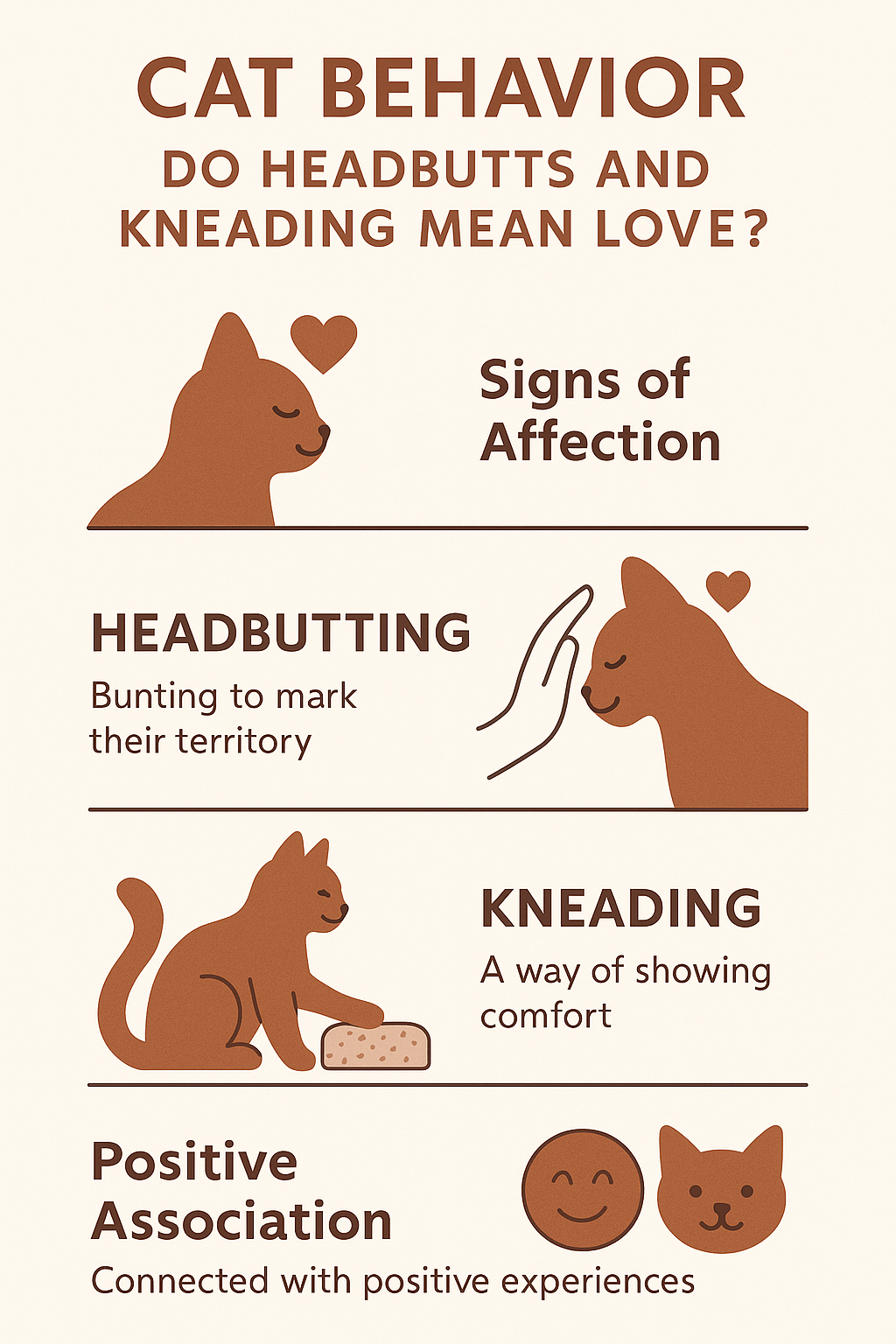
Why Do Cats Headbutt?
Cats headbutt, or bunt, as a way of marking their territory and fostering a sense of connection. This behavior primarily involves rubbing their head against a person or object, depositing scent from glands located around their face. Studies show that cats use this mechanism to mark individuals or items as familiar and safe, thereby establishing a comforting environment. When your cat headbutts you, it is often accompanied by purring or other signs of relaxation, further reinforcing the bond between you and your pet (Cats Protection). This behavior matters because it highlights the role of scent in cat communication. By marking you with their scent, cats are effectively integrating you into their social world. This act is not only a declaration of trust but also a sign of affection, a subtle yet profound gesture indicating that you are a cherished part of their environment.
The implication here is that headbutting is more than just a territorial action; it is a form of social bonding. Cats are naturally territorial creatures, and by marking you, they are expressing a deep sense of familiarity and acceptance. This behavior is often misunderstood as merely a way to claim ownership, but it is fundamentally about establishing a shared space where the cat feels secure and loved. For more insights on this topic, consider reading about the role of scent in cat communication.
What is Kneading?
Kneading, often referred to as "making biscuits," is a rhythmic pushing motion cats make with their paws. This behavior traces back to kittenhood when kittens knead their mother's abdomen to stimulate milk flow. Adult cats continue to knead as it brings them comfort and is associated with positive experiences. When cats knead, it signifies contentment and safety, indicating that they feel relaxed and secure in your presence (International Cat Care). Kneading is often accompanied by purring or even dribbling, emphasizing further contentment. The implication here is clear: when your cat kneads on you, they are expressing a deep sense of contentment and trust.
This behavior is a strong indication that your feline friend feels a strong bond with you, associating you with comfort similar to what they felt as kittens with their mother. The act of kneading is not just a physical action but a psychological one that connects them to feelings of safety and warmth. It is an expression of their affection and trust, suggesting they view you as a source of comfort and security. To explore more signs of feline affection, you might find our post on signs your cat loves you enlightening.
Encouraging Affectionate Behaviors
Encouraging affectionate behaviors in cats involves understanding their needs and creating a supportive environment. Here are some steps to foster these behaviors:
- Provide a Safe Space: Ensure your cat has a secure and comfortable environment. This includes cozy resting spots and areas where they can retreat and feel safe.
- Interactive Play: Engage in regular play sessions using toys that stimulate their hunting instincts. This not only provides physical exercise but also mental stimulation, which is crucial for a cat's overall well-being.
- Respect Their Boundaries: Allow your cat to approach you on their terms; never force interactions. Cats appreciate autonomy and will show affection when they feel comfortable and in control.
- Positive Reinforcement: Reward affectionate behaviors with treats or gentle petting to create positive associations. Positive reinforcement helps strengthen the bond and encourages the repetition of these behaviors.
By understanding and respecting your cat's natural behaviors and preferences, you can foster a deeper bond and encourage more expressions of affection. It is important to remember that every cat is unique, and their ways of showing love can vary. Patience and observation are key in nurturing these behaviors.
Common Misunderstandings
A common misconception is that headbutting and kneading are purely territorial behaviors or remnants of kittenhood without emotional significance. However, these gestures are more than just instinctual leftovers; they are integral parts of a cat's social repertoire that convey trust and love. The evidence points to these behaviors as deliberate acts of bonding, not merely reflexive actions. Understanding this can help cat owners appreciate the depth of their pet's affection.
Another misunderstanding is interpreting these behaviors as a sign of neediness or dependency. In reality, they reflect a healthy emotional connection. Cats are independent creatures, but through headbutting and kneading, they demonstrate their capacity for complex social interactions and affection. Recognizing these behaviors as expressions of love can enhance the relationship between you and your cat, fostering a mutual understanding and respect.
FAQ
Why does my cat headbutt me?
Your cat headbutts you to mark you with their scent, which signifies trust and affection. This behavior is a form of social bonding, indicating that they consider you safe and familiar.
Is kneading a sign of affection in cats?
Yes, kneading is a sign of affection. It indicates that your cat feels comfortable and secure with you, often reflecting feelings associated with their early kittenhood and maternal bonding experiences.
Can headbutting be a sign of discomfort?
While headbutting is generally a sign of affection, excessive or aggressive headbutting might indicate discomfort or a desire for attention. Observing accompanying behaviors can provide context.
What should I do if my cat doesn't headbutt or knead?
Not all cats express affection in the same way. If your cat does not headbutt or knead, they may show affection through other behaviors such as purring, following you, or simply sitting close by.
How can I tell if my cat's kneading is excessive?
Excessive kneading might be a sign of stress or anxiety. If you notice your cat kneading more than usual, assess their environment for changes or stressors and consult with a veterinarian if necessary.
By acknowledging these behaviors as expressions of love, we can better appreciate the unique ways in which cats form bonds with their human companions.

