

How to Handle Cat Aggression: Tips and Techniques
Most cat owners will encounter aggression in their feline companions at some point. To handle cat aggression effectively, it is essential to understand its root causes, which include medical conditions, environmental factors, and social dynamics within a multi-cat household. By identifying these triggers and employing targeted strategies, you can reduce instances of aggression and create a more harmonious living environment. This comprehensive approach not only addresses immediate concerns but also fosters long-term behavioral improvements.
TL;DR: To handle cat aggression, identify potential medical causes, modify the environment to reduce stressors, and consider behavioral strategies such as pheromone therapy to create a more peaceful household.
What is Cat Aggression?
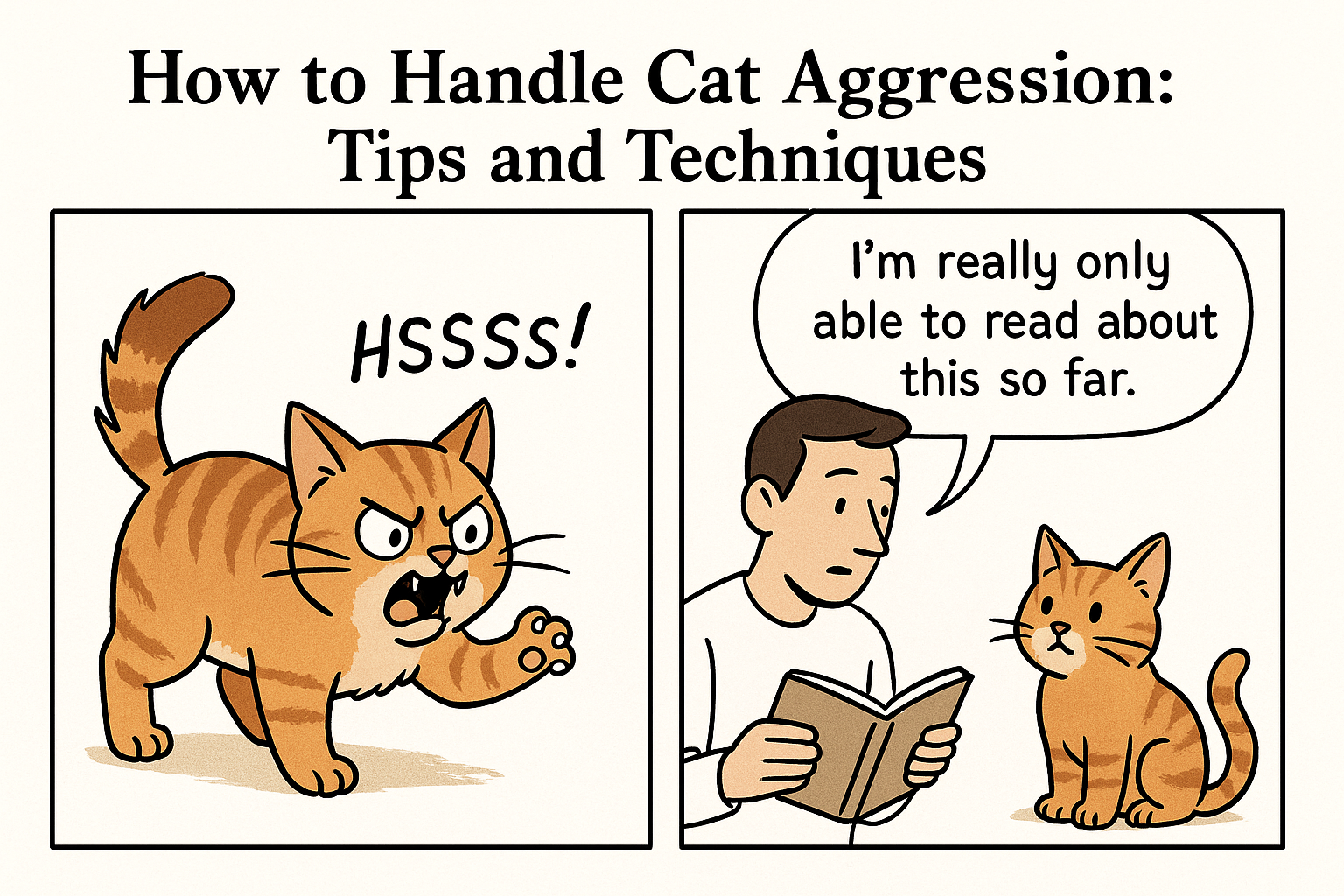
Cat aggression refers to a range of behaviors that a cat may exhibit when it feels threatened, stressed, or unwell. These behaviors can include hissing, swatting, biting, and growling. Aggression may arise from various triggers, including redirected aggression, where a cat unable to access a stimulus, such as a bird outside the window, attacks nearby animals or people instead. This type of aggression can be particularly dangerous due to its sudden onset and intensity (ASPCA).
Medical conditions such as hyperthyroidism, osteoarthritis, or dental disease can also contribute to feline aggression. Consulting a veterinarian is a critical first step in managing aggression to rule out underlying health issues (Cornell Feline Health Center). A thorough health examination can reveal issues that may not be immediately apparent, and addressing these can often lead to significant reductions in aggressive behavior.
Identifying the Causes of Aggression
Understanding the causes of aggression is crucial for effective management. Redirected aggression is one common form, often triggered by frustration from an inaccessible stimulus. Medical conditions should be considered, as diseases can manifest as irritability or aggression. Behavioral history and environmental stressors also play significant roles. For instance, changes such as new household members or changes in routine can provoke aggressive behaviors. Additionally, competition over resources like food, water, and resting areas can exacerbate tensions, particularly in multi-cat households.
Neutering male cats has been found to significantly reduce aggression, particularly in intact males who are more prone to such behavior (ASPCA). This step should be considered alongside a comprehensive behavioral assessment. Neutering reduces testosterone levels, which are often linked to territorial and competitive aggression. In addition to neutering, ensuring that each cat in a multi-cat household has access to its own resources can further mitigate aggressive interactions.
Practical Steps to Manage Aggression
-
Veterinary Consultation: Ensure a health check to rule out medical issues like hyperthyroidism, osteoarthritis, or dental problems that can cause pain-related aggression. This step is foundational in distinguishing between aggression that is primarily behavioral and that which is medically induced.
-
Environmental Enrichment: Providing multiple resources such as feeding stations, litter boxes, and elevated perches can reduce competition and stress among cats. Environmental enrichment should also include opportunities for play and exploration, which can help alleviate boredom and reduce aggression linked to frustration or lack of stimulation. Consider reading our Cat Enrichment: Creative Ideas for a Happy Cat for further insights.
-
Pheromone Therapy: Products like Feliway MultiCat have been studied for their efficacy in reducing inter-cat aggression. In a study of 45 multi-cat households, it was noted that using a 2% solution of the FAP analogue (Feliway MultiCat) helped reduce aggression over time (PMC). Pheromone therapy works by mimicking the natural calming pheromones that cats produce, which can help create a more relaxed atmosphere.
-
Behavioral Modification: Techniques such as distraction with toys or treats can redirect a cat's focus away from aggressive triggers. In some cases, structured playtimes can help expend excess energy that may otherwise manifest as aggression. For example, a case study involving a cat named Barney, who exhibited aggression upon the introduction of a new family member, highlights the importance of providing adequate space and enrichment to mitigate stress (IAABC Foundation Journal).
-
Gradual Introductions: When introducing a new cat or person to the household, gradual introductions can prevent aggressive reactions. This involves allowing the cats to become familiar with each other's scent before any face-to-face meeting, which can be facilitated by swapping bedding or using a barrier like a baby gate. For detailed guidance, refer to our Introducing Cats: Successful First Meetings.
Common Mistakes to Avoid
One frequent mistake is neglecting to address the root cause of aggression. Simply punishing a cat for aggressive behavior can exacerbate the issue, leading to increased fear and aggression. Owners should focus on understanding and modifying the environment or routine to reduce stressors. Ignoring signs of stress or anxiety can also be detrimental. A cat named Mimi displayed sudden-onset aggression towards her housemate Leo after a medical event. Despite recovery, her aggression persisted, highlighting the importance of understanding medical triggers in feline behavior (IAABC Foundation Journal).
Another common error is failing to provide adequate environmental enrichment. Cats are natural hunters and explorers, and without sufficient opportunities to express these instincts, they may resort to aggression. Simple changes, such as the introduction of interactive toys or puzzle feeders, can provide necessary mental and physical stimulation.
FAQ
What are common medical causes of cat aggression?
Medical causes can include conditions like hyperthyroidism, dental disease, or osteoarthritis, which can lead to pain and irritability in cats. Addressing these medical issues often reduces aggressive behavior significantly.
Can pheromone therapy help reduce cat aggression?
Yes, studies have shown that pheromone products like Feliway MultiCat can help reduce aggression in multi-cat households by creating a calming environment. These products mimic natural pheromones that signal safety and relaxation to cats.
How does neutering affect cat aggression?
Neutering is known to significantly reduce aggression in male cats, as it decreases hormonal influences that often contribute to aggressive behaviors. This reduction in testosterone can lead to less territorial and competitive aggression.
What is redirected aggression in cats?
Redirected aggression occurs when a cat is unable to reach a target, such as another animal outside, and instead attacks a nearby person or pet. This is often a result of frustration and can be managed by reducing stressors and providing alternative outlets for energy.
Why is it important to consult a vet for aggressive behavior?
Consulting a vet is crucial to ruling out medical issues that might contribute to aggression, ensuring that any behavioral interventions are appropriate and effective. A vet can provide guidance on both medical and behavioral strategies to manage aggression.

